When the 2026 FIFA World Cup arrived at Atlanta Stadium, the city's biggest sporting moment in decades played out for most fans through packed concourses, viewing parties and sold-out fan festivals. For one emergency management professional embedded with the Atlanta-Fulton County Emergency Management Agency (AFCEMA), the tournament looked entirely different: more than 240 hours of activation across windowless operations centers, learning firsthand what it takes to keep an event of this scale safe.
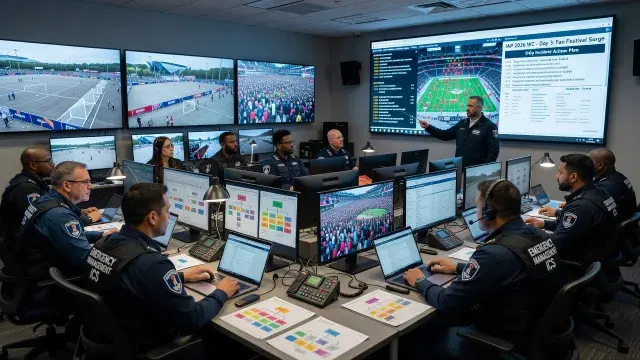
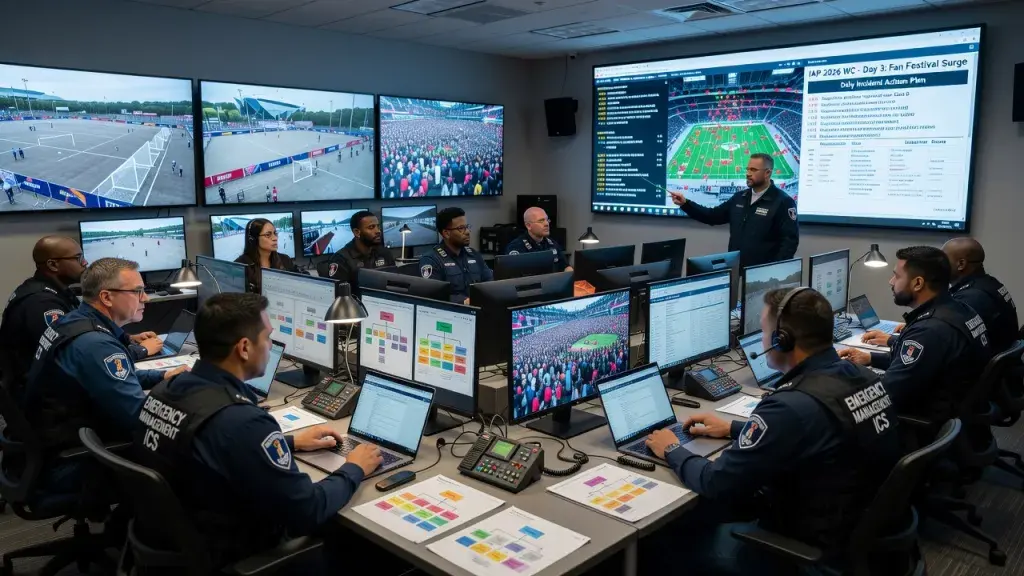
Over five weeks, the role rotated between the Georgia World Congress Center Authority (GWCCA) Emergency Operations Center and the Joint Operations Center (JOC), supporting the Mayor's Office of Emergency Preparedness, with two additional stints as EOC Manager at AFCEMA. Each assignment offered a distinct vantage point on the same sprawling operation, the kind of behind-the-scenes coordination that rarely makes headlines but underpins every successful mass-gathering event, whether it is a World Cup fixture or the broader ecosystem of live sport and entertainment tracked by platforms like play356. Fans tend to focus on what happens on the pitch; the people in these rooms focus on everything that has to go right for the pitch to matter at all.
Liaison Work Under Pressure
In the JOC, serving as a solo liaison meant representing AFCEMA inside a crowded room run collaboratively by multiple agencies, each with its own priorities and risk vocabulary. Information arrived over radio in real time, and translating it quickly and accurately for neighboring EOCs became one of the most transferable skills gained from the experience. In emergency management, as in football, time is the one resource no one can buy back once it is gone.
Running the Room as EOC Manager
Stepping into the EOC Manager role shifted the responsibility from representing one agency to overseeing the entire room. That meant leading initial and closing briefings, managing the technology setup, maintaining situational awareness across camera and drone feeds, and deciding in real time what needed to be escalated. Holding that position across two fully operational days offered a deeper lesson in structured, decisive leadership than any classroom exercise could replicate.
Documentation as the Backbone of Safety
Emergency management runs on relationships between partner agencies, but it also runs on paperwork. Building the daily Incident Action Plan for AFCEMA involved mapping staff locations, maintaining ICS organizational charts, and logging every action taken by agencies present in the EOC. Writing and distributing the daily operations briefing ensured supporting agencies understood exactly how FIFA operations were affecting Fulton County throughout the tournament, a reminder that the scale of an event can be felt long before anyone sets foot inside the stadium.
A Festival Seen Two Ways
Walking the grounds of the FIFA Fan Festival both empty and fully activated revealed the gap between planning and payoff. A space built for tens of thousands of fans looks entirely different before the gates open than it does once the crowd arrives, and that contrast underscored just how much groundwork precedes a single kickoff. The glamour, ultimately, belongs to the match. The safety of everyone watching it belongs to the people who rarely get noticed at all.