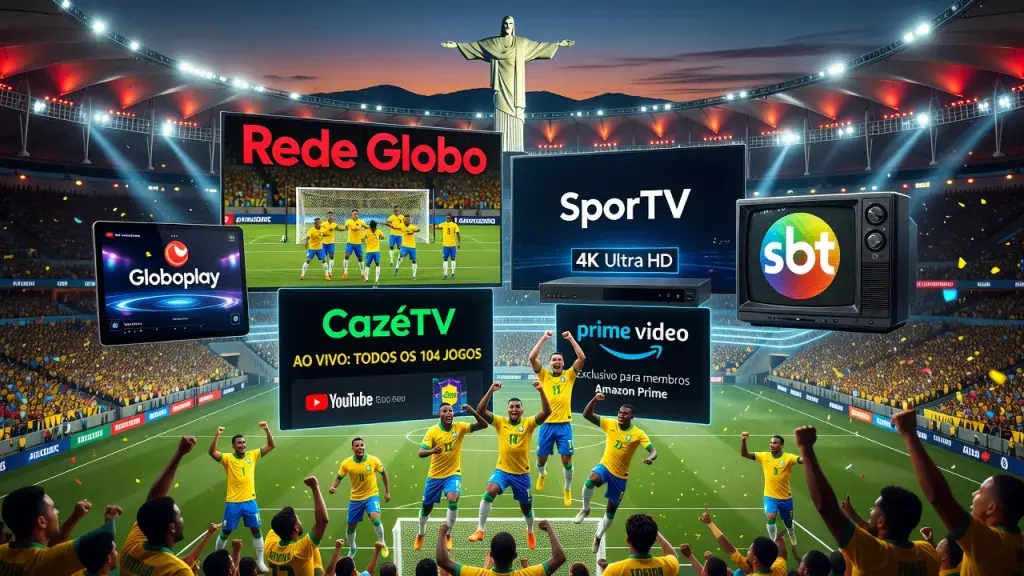
For the first time in decades, watching Brazil at a FIFA World Cup will not mean turning on Globo and that being the end of the conversation. The 2026 edition, co-hosted by the United States, Canada and Mexico, arrives with a fundamentally reshaped broadcast landscape in Brazil - one that offers fans more access points than ever before, from free-to-air television to YouTube and paid streaming services. The era of a single gatekeeper controlling World Cup coverage in the country is officially over.
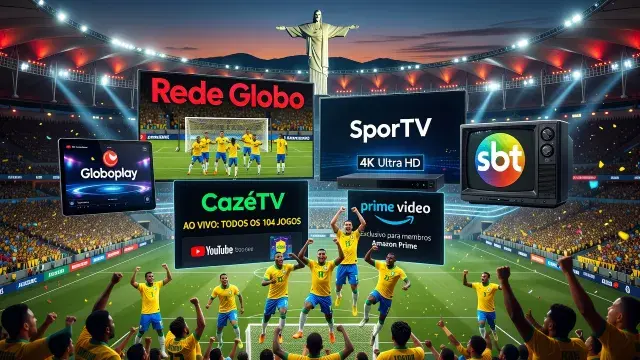
The most consequential shift is the emergence of CazéTV, the digital platform operated by LiveMode, as the exclusive internet broadcaster for the entire tournament. CazéTV will stream all 104 matches free of charge on YouTube, making it the only Brazilian outlet to carry every single game of the competition without a paywall. Simultaneously, those streams will be available on Prime Video at no additional cost for Amazon Prime members - a pairing that extends the platform's reach well beyond the YouTube audience. This is a landmark moment for digital sports media in Brazil, and its implications stretch beyond football: the infrastructure and appetite being built around this kind of free, large-scale sports streaming will eventually shape how other disciplines - from tennis to combat sports, and even rugby, where fans can also bet on rugby through various platforms - reach their audiences in the country.
Rede Globo retains a significant piece of the puzzle. The Rio-based broadcaster will carry all of Brazil's matches on free-to-air television, meaning the Seleção's games remain accessible to the widest possible domestic audience regardless of internet access or subscription. SporTV, Globo's cable sports channel, will also show every Brazil match - with the added premium of full 4K ultra-definition broadcasts, a clear play for the high-end subscriber market. Globoplay, the group's streaming platform, completes the picture by simulcasting both Globo and SporTV feeds online. Crucially, however, Globo will not broadcast the full tournament. The group's coverage is limited to roughly 55 of the 104 matches, which means a significant portion of group-stage games - including fixtures involving major European and South American nations - will only be available via CazéTV.
SBT's Return Splits the Free-to-Air Audience
Perhaps the most nostalgic subplot of this broadcast story is the return of SBT to World Cup coverage after nearly three decades away. The São Paulo-based network will air 32 matches from the tournament on free-to-air television, including every Brazil game, splitting the traditional TV audience with Globo in a way that has not happened since the 1990s. SBT's streaming platform, +SBT, will carry the same content online at no cost, adding another free digital option to an already crowded field. For older Brazilian fans, SBT's involvement carries genuine emotional weight - a reminder of a different era of Brazilian football broadcasting.
What This Means for Brazil Fans and the Broader Media Landscape
The practical upshot for supporters of the Seleção is straightforward: Brazil's matches at the 2026 World Cup will be simultaneously available on Globo, SporTV, SBT, Globoplay, CazéTV and Prime Video. The challenge of finding a game has been replaced by the challenge of choosing where to watch it. That is a genuinely new reality for Brazilian football fans, and it reflects a broader global trend of rights fragmentation accelerating the move toward streaming-first consumption.
What makes the Brazilian situation particularly notable is that the primary digital disruptor - CazéTV - is operating on a free model, not a subscription one. That is a deliberate strategic choice, and it positions the platform to accumulate audience data and advertising revenue at scale during the world's largest football tournament. Globo, for its part, has not been displaced from the conversation; its hold on Brazil fixtures and the final stages of the competition ensures it remains the anchor broadcaster for the most-watched moments of the tournament. But the historical monopoly is gone, and that changes the competitive dynamic for sports rights negotiations in Brazil for years to come.
A New Benchmark for Sports Broadcasting in Brazil
The 2026 World Cup broadcast setup is not just a logistical arrangement - it is a signal of where Brazilian sports media is heading. The simultaneous presence of traditional free-to-air television, cable, and multiple free streaming platforms around a single event of this magnitude is unprecedented in the market. Whether this model proves sustainable or profitable for all parties involved remains to be seen, but for the millions of Brazilians who will follow every step of the Seleção's campaign, the access has never been greater. That, at minimum, is worth celebrating before a ball has even been kicked.